
Tattoo artists, renowned for their meticulous artistry, often face significant physical strain during long sessions. A well-chosen footrest can dramatically alleviate this, enhancing both their comfort and the quality of their work. This guide delves into the crucial aspects of selecting the ideal footrest, from ergonomic design to maintenance, and ultimately empowering artists to prioritize their well-being.
Different footrest types, materials, and features are explored, highlighting the importance of comfort, durability, and safety. Detailed comparisons, tables, and expert insights are presented to empower informed purchasing decisions.
Footrest Types and Materials
Tattoo artists demand ergonomic support for prolonged sessions. Proper footrests are crucial for both comfort and preventing musculoskeletal issues. Choosing the right footrest involves considering factors like adjustability, material, and price.The ideal footrest balances comfort, durability, and affordability. Different types and materials offer varying levels of support and adjustability, impacting the artist’s workflow and overall experience.
Footrest Types
Various footrest designs cater to different needs. Adjustable footrests offer customized positioning, crucial for artists with diverse body types and preferences. Fixed footrests, while often more affordable, provide a predetermined height and angle. Ergonomic designs prioritize comfort and posture, minimizing strain on the lower back and legs.
Footrest Materials
Common materials used in footrest construction include wood, metal, plastic, and foam. The choice of material significantly impacts the footrest’s durability, comfort, and cost.
Material Comparison
- Wood: Known for its aesthetic appeal and natural feel, wooden footrests can be sturdy and durable, particularly with solid construction. However, wood can be susceptible to damage from moisture and require occasional maintenance. Their price point can vary depending on the wood type and craftsmanship.
- Metal: Metal footrests, often made of steel or aluminum, are typically robust and long-lasting. Their strength makes them ideal for heavy use, but they might not offer the same level of cushioning as other materials. Metal’s cost is usually higher than plastic, but often lower than custom wood options.
- Plastic: Plastic footrests are often lightweight and inexpensive. They’re relatively easy to clean and maintain. However, their durability can be a concern, especially with high-impact use. Plastic’s cost-effectiveness often makes it a popular choice for entry-level footrests.
- Foam: Foam padding provides excellent cushioning and comfort, reducing pressure points on the feet. Different types of foam (e.g., memory foam) offer varying degrees of support and responsiveness. Foam’s cost can vary depending on the density and type used. They can be combined with other materials for improved support and durability.
Specific Footrest Designs
Examples of specific footrest designs include:
- Adjustable Ergonomic Footrest: These feature multiple adjustment points, allowing the artist to tailor the footrest’s height, angle, and depth for optimal comfort. Often constructed from metal or wood, they can be highly adjustable, offering a personalized fit for various tattooing styles.
- Fixed Platform Footrest: These are basic footrests with a stable platform and a fixed height. They are generally less expensive than adjustable options and often made of plastic or wood. Their simplicity makes them suitable for artists needing a basic support platform.
Footrest Type Comparison Table
| Footrest Type | Material | Adjustable Features | Price Range |
|---|---|---|---|
| Adjustable Ergonomic | Metal/Wood | Yes (height, angle, depth) | $150-$500 |
| Fixed Platform | Plastic/Wood | No | $50-$200 |
Ergonomics and Comfort
Tattoo artistry, a demanding profession, requires sustained periods of focused work in often uncomfortable positions. Ignoring the ergonomic needs of tattoo artists can lead to significant long-term health issues, impacting their ability to perform their craft effectively and safely. Properly designed footrests are crucial for maintaining a healthy posture, reducing strain, and enhancing the overall comfort of the tattoo process.Investing in ergonomic footrests is not merely a luxury but a necessity for tattoo artists, offering significant benefits for their well-being and productivity.
By optimizing posture and minimizing stress on various body parts, footrests contribute to a healthier and more sustainable tattooing experience. The design and features of a footrest directly influence the overall body posture, ultimately affecting the artist’s ability to work for extended periods without experiencing discomfort or injury.
Importance of Ergonomic Footrests
Maintaining a healthy posture during extended tattoo sessions is paramount for preventing injuries and discomfort. Footrests act as a critical support system, effectively distributing weight and pressure to reduce strain on the back, legs, and feet. By providing a stable platform for the feet, footrests minimize stress on the lower back, hips, and knees, which can significantly improve the overall comfort of the tattoo process and prevent long-term health problems.
This support system is especially crucial for artists who spend several hours at a time performing tattoos.
Alleviating Strain During Long Sessions
Properly designed footrests can significantly alleviate strain on the artist’s body during long tattoo sessions. By supporting the feet and ankles, they reduce the strain on the lower back, which is a common area of pain for tattoo artists due to the prolonged periods of sitting and awkward postures. Footrests also help alleviate strain on the legs and feet, reducing the risk of fatigue and muscle cramps.
Furthermore, the support provided by the footrest can lead to improved blood circulation, preventing the buildup of tension and stiffness in the legs and feet.
Footrest Design and Body Posture
The design of a footrest plays a crucial role in supporting proper body posture. A well-designed footrest provides a stable and adjustable platform for the feet, allowing the artist to maintain a neutral spine alignment. This neutral alignment, in turn, minimizes the stress on the back, shoulders, and neck, promoting overall comfort and reducing the risk of injury.
A footrest that accommodates varying foot sizes and positions is critical for optimizing individual comfort. Proper footrest height, angle, and width are all crucial components to ensuring proper posture.
Comfort Features for Prolonged Use
Several key comfort features are crucial for footrests designed for prolonged use. These features contribute to the overall comfort and support experienced by the artist during a long session.
- Adjustable Height: Allows for customized height adjustment, ensuring a comfortable and personalized fit for each artist, catering to their individual height and leg length. This adaptability is critical for preventing postural strain and ensuring comfort for extended periods.
- Padding: Provides cushioning for the feet, reducing pressure points and enhancing overall comfort. The quality and density of the padding are important considerations for ensuring sufficient support and minimizing discomfort. High-quality padding will also offer a more luxurious and satisfying tattooing experience for the artist, thus potentially improving their overall well-being.
- Non-Slip Surface: A non-slip surface prevents the feet from sliding, ensuring stability and preventing discomfort. This feature contributes to the overall safety and stability of the artist during a tattoo session, preventing accidental slips and falls.
- Foot Support: Features designed to support the arch of the foot, such as contoured padding, provide additional comfort and reduce strain on the feet. This is particularly crucial for preventing foot fatigue during extended tattooing sessions.
Table Illustrating Ergonomic Comfort Features
| Feature | Description | Impact on Comfort |
|---|---|---|
| Adjustable Height | Allows for customized height adjustment. | Improved posture and reduced strain. This flexibility is key to ensuring a personalized and comfortable experience for each artist. |
| Padding | Provides cushioning for the feet. | Increased comfort and support. The quality of padding significantly affects the comfort level during extended use. |
| Non-Slip Surface | Prevents slipping. | Enhanced stability and safety. Reduces the risk of accidents during a tattoo session. |
| Foot Support | Supports the arch of the foot. | Reduced strain on the feet, improved circulation, and enhanced comfort. |
Safety and Durability
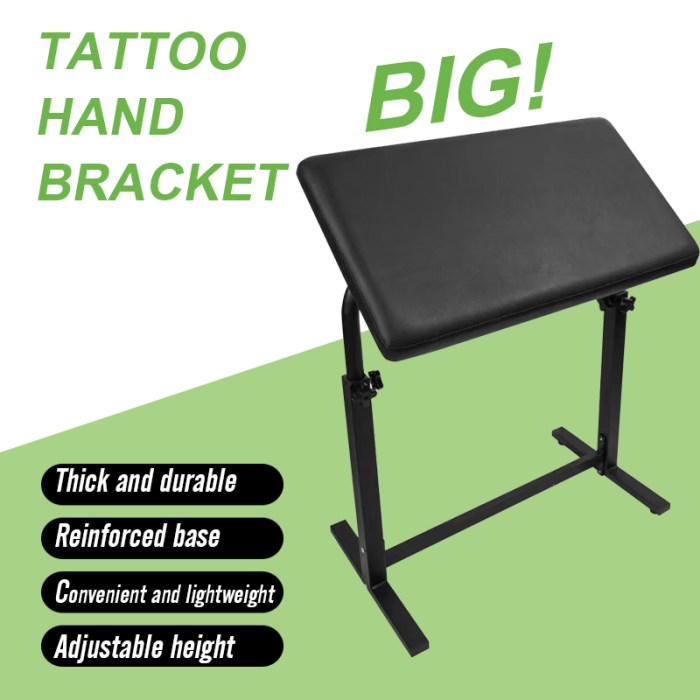
Footrests for tattoo artists are not mere accessories; they are crucial components of a safe and efficient workspace. Their importance extends beyond mere comfort, impacting the artist’s health, the longevity of the equipment, and ultimately, the quality of the tattoo. Robust construction and safety features are paramount.Robust footrests are essential for preventing injuries and ensuring a comfortable, safe tattooing environment.
Investing in durable materials and thoughtful design is critical for long-term use and the safety of the artist. This includes not only the material itself but also the construction techniques used to ensure the footrest can withstand the rigors of daily use and maintain its structural integrity over time.
Importance of Non-Slip Surfaces
Preventing slips and falls is critical in a tattoo studio. A non-slip surface on a footrest is paramount for maintaining balance and preventing accidents, which could result in serious injuries for the artist or the client. Artists often work in demanding postures for extended periods, and a secure footing is essential to prevent fatigue-related accidents. For example, a footrest with a textured surface or specialized grip material is a significant safety feature.
Durability of Materials
The longevity of a footrest is directly linked to the quality and durability of its materials. Heavy-duty use requires materials that can withstand significant pressure and repeated use. Factors like the material’s resistance to wear and tear, its ability to maintain its shape under stress, and its overall robustness need careful consideration. For instance, a footrest made from a material prone to warping or cracking under pressure is less suitable for the demands of a tattoo studio.
Construction and Longevity
The construction of a footrest significantly impacts its lifespan. Solid welds, reinforced joints, and carefully considered support structures are crucial to preventing premature wear and tear. A well-constructed footrest will withstand the strain of daily use, minimizing the risk of breakage or deformation. Examples of exceptional construction in footrests often involve reinforced metal frames or specialized wood laminates, which provide a robust foundation for the footrest.
Examples of Durable Footrests
Some footrests on the market demonstrate remarkable durability. Many models crafted from high-quality steel or reinforced aluminum alloys showcase exceptional resistance to wear and tear. These materials provide a strong base that can endure the heavy use in a tattoo studio. Specific models known for their durable construction often feature reinforced support beams or anti-slip designs that increase their overall safety and lifespan.
Comparative Analysis of Footrest Materials
| Material | Durability | Wear Resistance |
|---|---|---|
| Metal (e.g., steel, aluminum) | High | High |
| Wood (e.g., hardwood plywood) | Medium | Medium |
| Composite Materials (e.g., reinforced polymers) | High | High |
Composite materials, like reinforced polymers, offer a balance between strength and weight, providing an alternative to metal for some applications. Their specific durability depends on the resin and reinforcement type used in their composition.
Footrest Features and Specifications
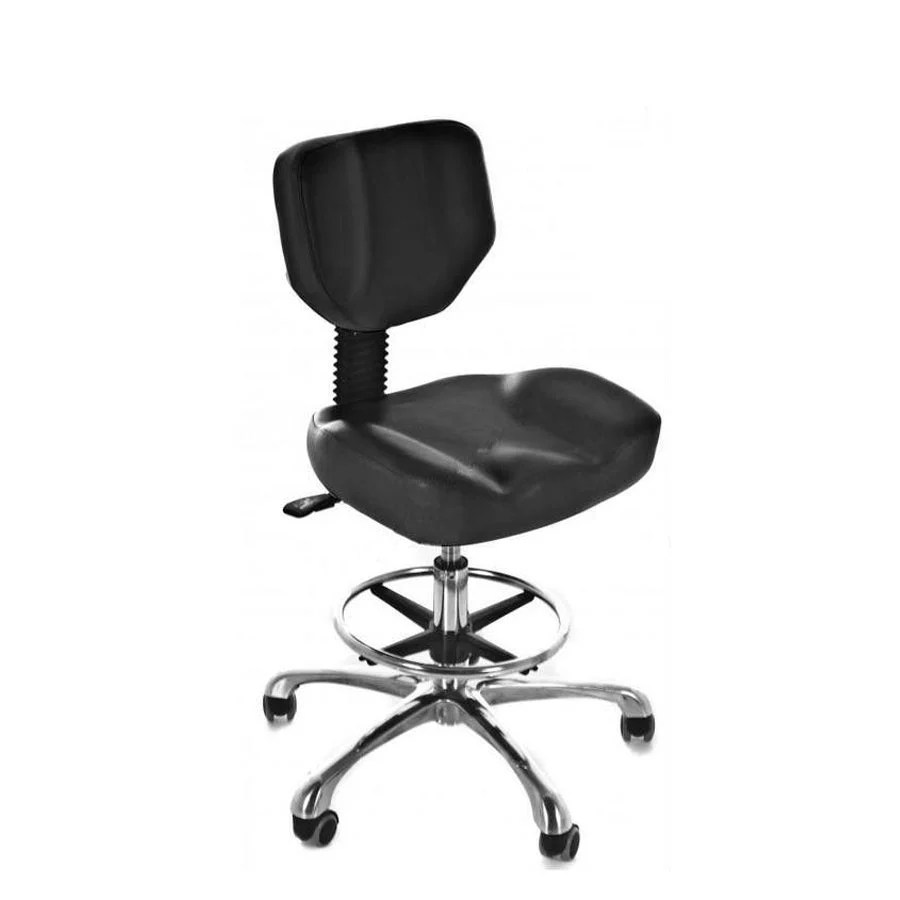
A crucial aspect of tattoo artist well-being and efficiency is a properly designed and specified footrest. Beyond mere comfort, a high-quality footrest significantly impacts posture, reducing strain on the lower back, legs, and feet, ultimately leading to increased productivity and minimized risk of injury over extended tattoo sessions. This section delves into essential features, technical specifications, and crucial purchasing factors for optimal performance and longevity.Choosing the right footrest for tattoo artists requires careful consideration of various features and specifications.
These elements are not simply aesthetic choices but directly affect the artist’s comfort, posture, and overall performance throughout long workdays. A well-designed footrest will translate into improved work quality and potentially reduced health issues.
Essential Features
A high-quality footrest encompasses more than just a supportive surface. Key features include adjustability for personalized comfort, durable construction, and safety mechanisms to prevent slippage or instability. These characteristics contribute to both immediate comfort and long-term health benefits for the artist.
- Adjustability: A crucial element is the ability to adjust the height and angle of the footrest. This ensures optimal positioning for the artist’s legs and feet, promoting proper posture and minimizing strain on the lower back and legs. This personalization allows the artist to adapt the footrest to different tattooing positions and styles.
- Material: The material used for the footrest directly impacts durability, comfort, and cost. Durable materials, such as high-density foam or metal, provide long-term support and stability, while soft materials like leather or cushioned vinyl enhance comfort. The choice of material should align with the intended use and budget.
- Stability: A sturdy base is paramount. The footrest must maintain its position without wobbling or shifting during use, preventing accidental movements that could lead to injury or discomfort. This stability is especially critical during prolonged tattoo sessions.
- Slip Resistance: A non-slip surface is essential for preventing the artist’s feet from sliding during use, which can disrupt posture and cause fatigue. This feature contributes to safety and stability, particularly for artists working in fast-paced environments.
Technical Specifications
The technical aspects of a footrest encompass crucial details such as size, weight, and stability. Precise measurements are essential for ensuring proper fit and ergonomic support.
- Size: The dimensions of the footrest are critical. A footrest that is too small will restrict movement and cause discomfort, while one that is too large might feel unstable. Measurements should be tailored to the average height and foot size of the target user.
- Weight: The weight of the footrest should be balanced between being sturdy enough for stability and lightweight enough for ease of movement. Excessive weight can make the footrest cumbersome and less adaptable to varying positions.
- Stability Factors: The footrest’s base should be wide and stable, providing a secure foundation that won’t shift or wobble during use. Robust construction and a wide base are essential to maintain stability, even during demanding tattoo sessions.
Purchasing Considerations
Several factors influence the decision-making process when purchasing a footrest. A thorough evaluation of these aspects ensures the selected footrest meets the artist’s specific needs and preferences.
- Budget: Footrests vary significantly in price, ranging from basic models to more sophisticated, adjustable designs. Setting a budget upfront will help narrow down options and ensure that the footrest aligns with financial constraints.
- Warranty: A warranty indicates the manufacturer’s confidence in the product’s durability and longevity. A warranty provides a degree of protection against manufacturing defects and potential issues over time.
- Customer Reviews: Thoroughly researching customer reviews and testimonials can offer valuable insights into the practical experience of other artists using similar footrests. Feedback from actual users provides a realistic perspective on the product’s strengths and weaknesses.
Comparative Analysis
The following table offers a concise comparison of key features, providing a quick overview for decision-making.
| Feature | Description | Importance |
|---|---|---|
| Adjustability | Allows for customized height and angle adjustment. | Enhanced comfort and posture support. |
| Material | The construction material. | Durability, comfort, and cost. |
| Size | Dimensions of the footrest. | Ensures a proper fit and comfortable use. |
| Weight | The mass of the footrest. | Impacts stability and portability. |
Footrest Maintenance
Maintaining a tattoo artist’s footrest is crucial for hygiene, longevity, and a safe work environment. Proper cleaning and disinfection procedures prevent the spread of infections and ensure the footrest remains a reliable and comfortable tool for extended periods. Neglecting maintenance can lead to the buildup of bacteria, potentially causing health risks for both the artist and clients.A meticulously maintained footrest contributes significantly to a professional and hygienic tattoo studio.
Regular cleaning and disinfection are not just good practice; they are a fundamental part of preventing cross-contamination. By following a consistent maintenance routine, tattoo artists can mitigate potential health hazards and ensure the continued usability of their footrest.
Cleaning Methods
Proper cleaning methods are essential for maintaining the cleanliness and hygiene of footrests. Different materials require specific cleaning approaches. For example, vinyl or plastic footrests can be cleaned with a diluted bleach solution, while wooden footrests might benefit from a specialized cleaner formulated for wood.
- Surface Cleaning: For most materials, a gentle detergent solution followed by a thorough rinse is sufficient for daily maintenance. This simple approach helps remove surface grime and debris.
- Disinfection: A more potent disinfectant, such as a diluted bleach solution (1:10 ratio) or a commercial disinfectant designed for medical or tattoo equipment, is vital for eliminating potential pathogens. Ensure the disinfectant is compatible with the footrest material.
Importance of Proper Cleaning and Disinfection
Proper cleaning and disinfection are paramount in preventing the transmission of infectious agents. Failing to maintain a clean and disinfected footrest can expose both the artist and client to potentially harmful microorganisms.
- Preventing Infections: Regular cleaning and disinfection eliminate pathogens like bacteria and viruses that can cause infections. This preventive measure is critical for maintaining a safe environment for all parties involved.
- Compliance with Health Regulations: Many jurisdictions have specific health regulations regarding hygiene and disinfection in tattoo studios. Adhering to these regulations is crucial for maintaining compliance and avoiding penalties.
Potential Issues with Maintenance and Resolution
Certain issues can arise during footrest maintenance. Understanding these potential problems and their solutions is critical for ensuring the longevity and hygiene of the footrest.
- Material Damage: Using harsh chemicals or abrasive cleaners can damage certain materials, such as wood or delicate plastics. Using the appropriate cleaning solution and avoiding harsh scrubbing will prevent damage. Consider using a soft cloth or sponge to avoid scratches.
- Discoloration: Prolonged exposure to disinfectants or cleaning solutions can sometimes lead to discoloration of the footrest. Follow the manufacturer’s instructions carefully, and if discoloration occurs, consult with a professional cleaning service or material specialist.
- Corrosion: Some metal footrests can corrode if exposed to moisture or certain chemicals. Regularly drying the footrest after cleaning and using appropriate corrosion inhibitors can mitigate this issue.
Steps in Cleaning and Sanitizing Footrests
A standardized cleaning and sanitizing process ensures consistent hygiene and prevents the spread of pathogens.
- Preparation: Gather necessary supplies, including appropriate cleaning solutions, soft cloths or sponges, and disposable gloves.
- Cleaning: Remove any visible debris or dirt from the footrest using a gentle detergent solution. Rinse thoroughly with clean water.
- Disinfection: Apply the appropriate disinfectant solution to the footrest, ensuring all surfaces are adequately covered. Allow the disinfectant to sit for the recommended contact time as per the product instructions. This time is crucial for effective disinfection.
- Rinsing: Thoroughly rinse the footrest with clean water to remove any residual disinfectant.
- Drying: Allow the footrest to air dry completely. Avoid using harsh towels or cloths that may introduce contaminants.
Price and Value
Footrests for tattoo artists, like many specialized tools, vary significantly in price, reflecting the differences in materials, features, and ergonomic design. Understanding the relationship between cost and quality is crucial for making an informed decision that aligns with individual needs and budget constraints. This section will explore the pricing spectrum, analyze the factors influencing cost, and compare different models to provide a clearer picture of value.Price points for tattoo artist footrests span a considerable range.
Budget-friendly options, often constructed from readily available materials, can be purchased for under $100. These models typically offer basic support and comfort, suitable for occasional use or artists with less demanding needs. Mid-range footrests, frequently crafted from durable materials like high-quality plastics or aluminum alloys, usually cost between $100 and $300. These models frequently incorporate adjustable features and enhanced ergonomic designs to provide improved comfort and support over longer periods.
Premium footrests, designed with top-tier materials and cutting-edge ergonomic considerations, can command prices exceeding $300. These often feature bespoke designs, superior comfort features, and a robust construction to accommodate high-volume, extended use scenarios.
Price Ranges and Quality Correlations
The quality of a footrest is directly correlated with its price. Budget-friendly models may compromise on materials and features, potentially leading to reduced durability, comfort, and longevity. Mid-range models generally strike a balance between affordability and performance, providing adequate support and comfort for the average artist. Premium models, on the other hand, often prioritize exceptional comfort, safety, and durability, resulting in a higher price tag that reflects the advanced design and top-tier materials.
Factors Influencing Footrest Prices
Several factors influence the price of a tattoo artist footrest. Material costs play a significant role. High-quality, durable materials like stainless steel or high-impact plastics command a premium. Furthermore, the complexity of the design and the inclusion of advanced features, such as adjustable height, foot cradle shapes, and integrated support mechanisms, directly impact the price. Customization options, such as the incorporation of specific artist preferences or specialized ergonomic adjustments, also contribute to a higher price point.
Manufacturing processes and labor costs, including specialized machining or assembly techniques, also affect the final price. Finally, brand reputation and perceived value contribute to the pricing structure. Established brands with a history of quality and customer service often command higher prices.
Comparison of Different Footrest Models
Comparing different footrest models reveals a wide variation in price points. For instance, a basic footrest made of plastic might cost around $75, while a more advanced model with adjustable height and multiple support positions could range from $200 to $300. A custom-designed footrest with premium materials and ergonomic features might exceed $500. The specific features, materials, and overall design contribute to the differences in price among various models.
A model featuring a wider foot cradle, for example, could be more expensive than one with a more basic design.
Value Proposition
Ultimately, the value proposition of a footrest comes down to the individual artist’s needs and preferences. A budget-friendly model might suffice for infrequent use, while a more expensive model may be crucial for artists working long hours and demanding high levels of comfort and support. Careful consideration of the expected use, the artist’s individual needs, and the desired level of comfort and durability is essential to making an informed decision.
Brands and Models
Tattoo artists, seeking optimal performance and comfort, increasingly rely on specialized footrests. This meticulous selection process considers not only the fundamental features but also the nuanced aspects of brand reputation and model-specific functionalities. The market offers a range of options, catering to diverse needs and budgets.The selection of a footrest often involves careful consideration of the brand’s reputation, the specific model’s features, and the price point.
A robust footrest can significantly enhance the artist’s experience, contributing to better ergonomics and, consequently, productivity and longevity.
Popular Brands
A number of brands have emerged as leaders in the field of tattoo artist footrests, each offering unique features and designs. Key players include “Artisan’s Choice,” “Studio Solutions,” and “Apex Ergonomics,” known for their reliability and focus on artist comfort.
Models and Features
Artisan’s Choice, a prominent brand, boasts several models, each with varying features. The “Pro Series” footrest, for example, stands out for its adjustable height and tilt mechanisms. This allows for personalized ergonomics, tailoring the support to the artist’s individual needs and preferences. The “Deluxe” model from Studio Solutions is recognized for its premium materials and extensive customization options.
Comparative Analysis
A comparative analysis of different models from Artisan’s Choice reveals nuanced differences in features and pricing. The “Pro Series” model, with its enhanced adjustability, commands a slightly higher price than the “Standard” model. However, the additional investment often translates into improved long-term comfort and durability. Likewise, Studio Solutions’ “Deluxe” model, while priced higher, offers a broader range of customization and potentially superior materials.
Price and Feature Comparison
| Brand | Model | Features | Price (USD) |
|---|---|---|---|
| Artisan’s Choice | Pro Series | Adjustable height and tilt, heavy-duty construction, premium cushioning | $250 |
| Artisan’s Choice | Standard | Adjustable height, basic cushioning | $180 |
| Studio Solutions | Deluxe | Extensive customization options, premium materials, adjustable lumbar support, multiple color choices | $350 |
| Apex Ergonomics | Pro | Ergonomic design, reinforced base, adjustable footrest angle, multiple size options | $220 |
Customer Reviews and Feedback
Customer feedback is crucial for understanding the effectiveness and shortcomings of any product, especially specialized tools like tattoo artist footrests. Analyzing reviews allows manufacturers to identify areas for improvement and enhance product design, ultimately leading to increased customer satisfaction. This data informs future iterations and guides product development.
Common Themes in Customer Reviews
Customer reviews offer a rich tapestry of experiences, highlighting both the positive and negative aspects of various footrest models. A common thread in positive reviews is the emphasis on comfort and ergonomic design, directly impacting the tattoo artist’s ability to perform extended sessions without fatigue. Conversely, negative feedback often centers around durability, material quality, or specific design flaws that impede functionality.
Positive Customer Feedback Examples
- Many customers praise the exceptional comfort and support provided by the footrests, particularly models with adjustable features. “The adjustable height and angle made a huge difference in my comfort levels during long sessions,” one user commented. This highlights the value of adjustable features in ensuring prolonged comfort.
- The sturdiness and durability of the footrest are frequently mentioned as key benefits. “I’ve been using this footrest for over a year now, and it still looks and feels brand new. Exceptional build quality!” Another user affirmed the lasting value of durable products.
- The ease of cleaning and maintenance is also a recurring positive theme. Users appreciate the materials used in the footrest and the simple process of maintaining its cleanliness, which translates to hygiene and ease of upkeep.
Negative Customer Feedback Examples
- Some customers express concerns about the durability of certain materials, citing instances of premature wear and tear. “The plastic on my footrest started cracking after only a few months of use,” a review indicated. This highlights the importance of material selection and quality control in ensuring longevity.
- The lack of adjustability in some models is frequently cited as a negative aspect. “I wish I could adjust the angle of the footrest more to suit my specific needs,” one customer noted. This points to the critical role of customization in user satisfaction.
- Occasionally, customers report issues with assembly or stability. “The footrest was difficult to assemble, and it felt unstable when I put weight on it,” a review remarked. This underscores the importance of clear instructions and robust structural integrity.
Summary of Customer Feedback Trends
- Comfort and ergonomic design are paramount to customer satisfaction, with adjustable features consistently being a highly valued attribute.
- Durability and material quality directly impact customer experience, with users prioritizing models that withstand prolonged use.
- Ease of cleaning and maintenance are crucial aspects of customer satisfaction, particularly in a hygiene-conscious environment.
- Lack of adjustability, issues with assembly, and concerns regarding durability are frequent sources of negative feedback, emphasizing the importance of meticulous product design and rigorous testing.
Safety Regulations and Standards
Tattoo artists, like other healthcare professionals, must prioritize safety to protect both themselves and clients. This necessitates adherence to specific regulations and standards for equipment, including footrests, to prevent injuries and maintain a sterile environment. The safety of these devices is paramount to minimizing risks associated with tattooing.
Relevant Safety Standards and Regulations
Various safety standards and regulations govern the design, manufacturing, and use of footrests for tattoo artists. These regulations typically address material safety, ergonomics, and durability to ensure the long-term safety of the user. Compliance with these standards is crucial for both the well-being of the tattoo artist and the prevention of accidents. These standards often incorporate elements of industrial design and health and safety regulations.
Compliance Requirements for Footrest Manufacturers
Footrest manufacturers must adhere to stringent requirements to ensure product safety. These requirements encompass material testing, design analysis, and rigorous quality control procedures. Manufacturers need to demonstrate that their products meet the specified standards, often involving independent testing and certification. This includes ensuring that the materials used are non-toxic, durable, and appropriate for the intended use.
Examples of Footrests Meeting Safety Standards
Several footrest models currently on the market demonstrate compliance with established safety standards. For instance, footrests made from high-impact, non-porous materials like medical-grade ABS plastic are frequently seen. Manufacturers often use reinforced metal frames or robust plastic components to guarantee the structural integrity of the footrest. These features contribute to the safety and stability of the device during use.
Specific Testing and Certification
Many manufacturers obtain third-party certifications to verify compliance with relevant safety standards. These certifications typically involve rigorous testing procedures to ensure the footrest’s resistance to impact, structural integrity, and material safety. This rigorous testing process is vital in verifying that the footrest meets the necessary standards to protect users. Manufacturers often publish details about the specific testing procedures and certifications they utilize.
This transparent approach builds trust and provides assurance to both customers and regulators.
Future Trends
The tattoo industry, like many others, is constantly evolving, demanding innovative solutions for artists to enhance their workflow and well-being. Footrests, crucial for prolonged tattoo sessions, are poised for advancements that prioritize ergonomics, safety, and customization. This evolution will cater to the specific needs of diverse tattoo artists and studios.
Material Innovations
Future footrests will likely incorporate advanced materials with enhanced properties beyond current options. These materials could include high-performance polymers with improved shock absorption, heat resistance, and antibacterial qualities. Biocompatible materials, particularly for hygienic concerns, will gain prominence. For example, the use of 3D-printed materials allows for intricate, customized shapes and densities to optimize support and comfort, adapting to individual anatomical differences.
These materials will need to be durable enough to withstand repeated use and the inherent stresses of a tattoo artist’s work environment.
Ergonomic Adjustments and Customization
Footrests will move beyond simple fixed designs to incorporate adjustable features. Artists will have greater control over the footrest’s height, angle, and support, allowing them to tailor the position to their specific needs and body type. Customizable options, such as adjustable lumbar support or integrated calf rests, will become increasingly common. This personalization aims to mitigate posture-related issues and fatigue.
Integration with Studio Technologies
Future footrests may be integrated with studio technologies to enhance the artist’s workflow. For instance, sensors embedded within the footrest could monitor the artist’s posture and provide real-time feedback on potential ergonomic issues. This proactive approach could prevent discomfort and injuries. Moreover, wireless connectivity could allow for remote adjustment of the footrest based on real-time biofeedback, adapting to the specific needs of the artist as the tattoo session progresses.
Smart Features and Data Analysis
Smart footrests could collect data on usage patterns and provide insights into the artist’s posture and comfort levels throughout sessions. This data, when combined with other factors like the type of tattoo, duration, and client, could help identify trends and optimize the footrest design for better support and performance. These data points could be leveraged to improve ergonomics and inform future product development.
The insights could be crucial for studios seeking to improve artist well-being and enhance the overall customer experience.
Buying Guide
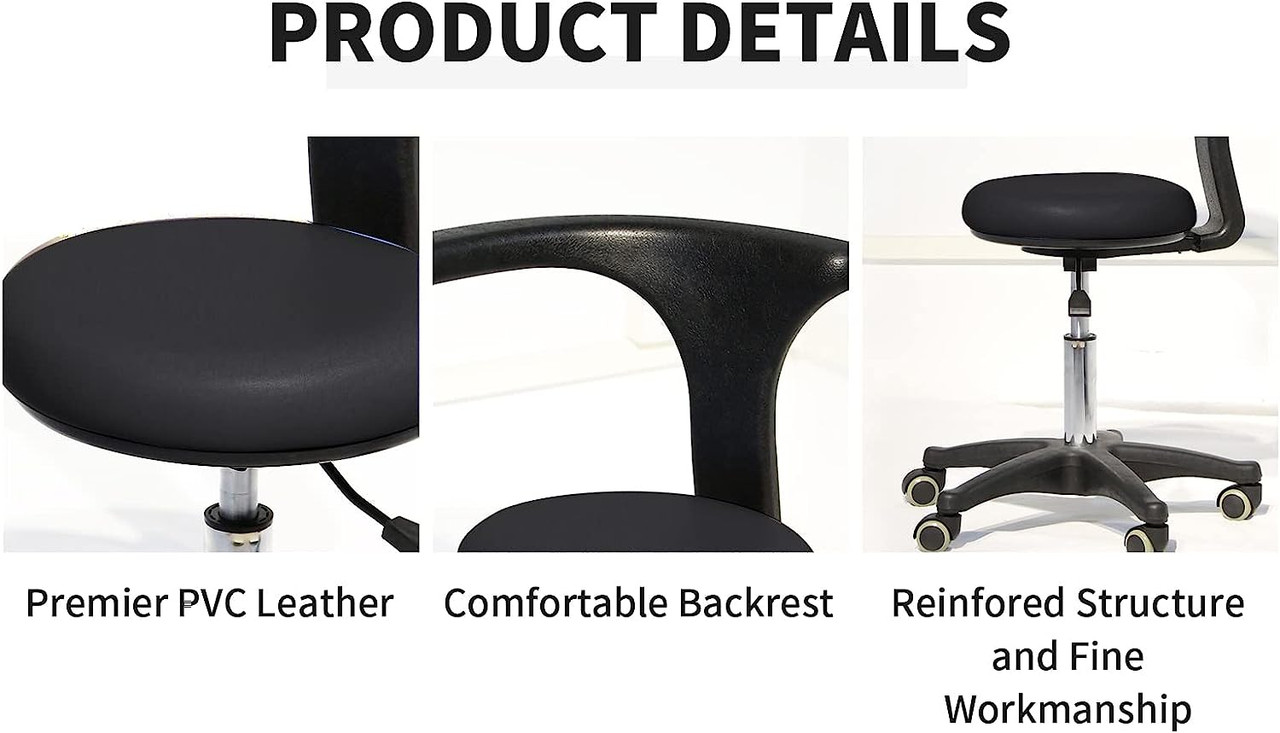
Navigating the market for tattoo artist footrests can be daunting. A multitude of options exist, each promising superior comfort and durability. This guide provides a structured approach, helping artists evaluate critical factors and select the ideal footrest for their workflow and needs.
Assessing Your Needs
Tattooing demands extended periods of standing, often in awkward positions. Understanding your specific needs is paramount in choosing a suitable footrest. Consider the frequency and duration of your sessions, the type of tattooing you specialize in (e.g., large-scale pieces vs. intricate details), and the physical characteristics of your studio space. Do you need a footrest that can accommodate a variety of body types?
Does your workspace require a compact design or a more expansive model? Thorough self-assessment will inform your subsequent evaluations.
Evaluating Footrest Options
A critical aspect of the buying process is scrutinizing available options. This involves comparing different footrest types, materials, and features. A well-informed evaluation will prevent costly mistakes. Factors like ergonomics, comfort, and safety are critical to long-term well-being and productivity.
Ergonomics and Comfort
The ergonomics of a footrest are crucial for sustained comfort during extended periods of use. Consider the height adjustment mechanism, its range, and its stability. A footrest that conforms to the natural contours of the foot and ankle promotes posture and minimizes strain. Look for models with adjustable angles, allowing artists to customize the position to their preferred stance.
Safety and Durability
Safety is paramount. A sturdy footrest, constructed from high-quality materials, will prevent injuries and promote a safe workspace. Assess the footrest’s load capacity and the stability of its design. Durability is also essential; a footrest should withstand repeated use without compromising its structural integrity. Look for models that feature reinforced materials or components that prevent warping, cracks, or other forms of damage.
Consider warranties and the manufacturer’s reputation for reliability.
Footrest Features and Specifications
A range of features distinguishes various models. Consider the materials, the adjustability, and any unique features such as storage compartments or specialized support for specific foot types. A comprehensive evaluation of the technical specifications will ensure that the chosen footrest meets your specific needs and expectations. A table can be useful in comparing models:
| Feature | Description | Importance |
|---|---|---|
| Material | Metal, wood, plastic, etc. | Strength, durability, aesthetic |
| Adjustability | Height, angle | Ergonomic fit, customizable comfort |
| Size | Dimensions | Space constraints, accommodating different users |
| Load Capacity | Weight limit | Safety, ensuring stability |
Price and Value
Price is a significant factor. Compare the cost of different models with their respective features and specifications. Balance the cost against the long-term value proposition of the footrest, considering factors such as ergonomics, comfort, and durability. Don’t just look at the initial cost; consider the potential long-term benefits and the avoidance of future health problems or replacements.
Customer Reviews and Feedback
Scrutinizing customer reviews and feedback is essential. Real-world experiences provide valuable insights into the practical performance and durability of various models. Look for patterns in reviews, focusing on recurring issues or praise. Consider the consistency of positive feedback regarding comfort, safety, and durability.
Practical Application and Testing
Before committing to a purchase, try out potential footrests. Evaluate their stability, adjustability, and overall comfort. Observe how they feel when used in a simulated tattooing environment. The practical application will provide crucial insights into the footrest’s suitability for your specific needs.
Outcome Summary
From adjustable ergonomic models to fixed options, a variety of footrest choices cater to different needs and budgets. Prioritizing ergonomics, safety, and durability, artists can invest in a tool that supports their well-being throughout their career. Ultimately, selecting the right footrest is an investment in longevity and continued artistic excellence.
